Professional Animal Removal Services: When to Reach Out to the Professionals
Animal invasions may present substantial threats to property and well-being. Detecting evidence of animal intrusion is critical for residents. Neglecting these warnings might cause substantial destruction and wellness issues. Knowing when to contact expert wildlife control can be crucial. Still, most people continue to be uncertain about which specific conditions require expert services. Recognizing these signs can help secure a quick and successful resolution. Which circumstances most frequently demand expert assistance?
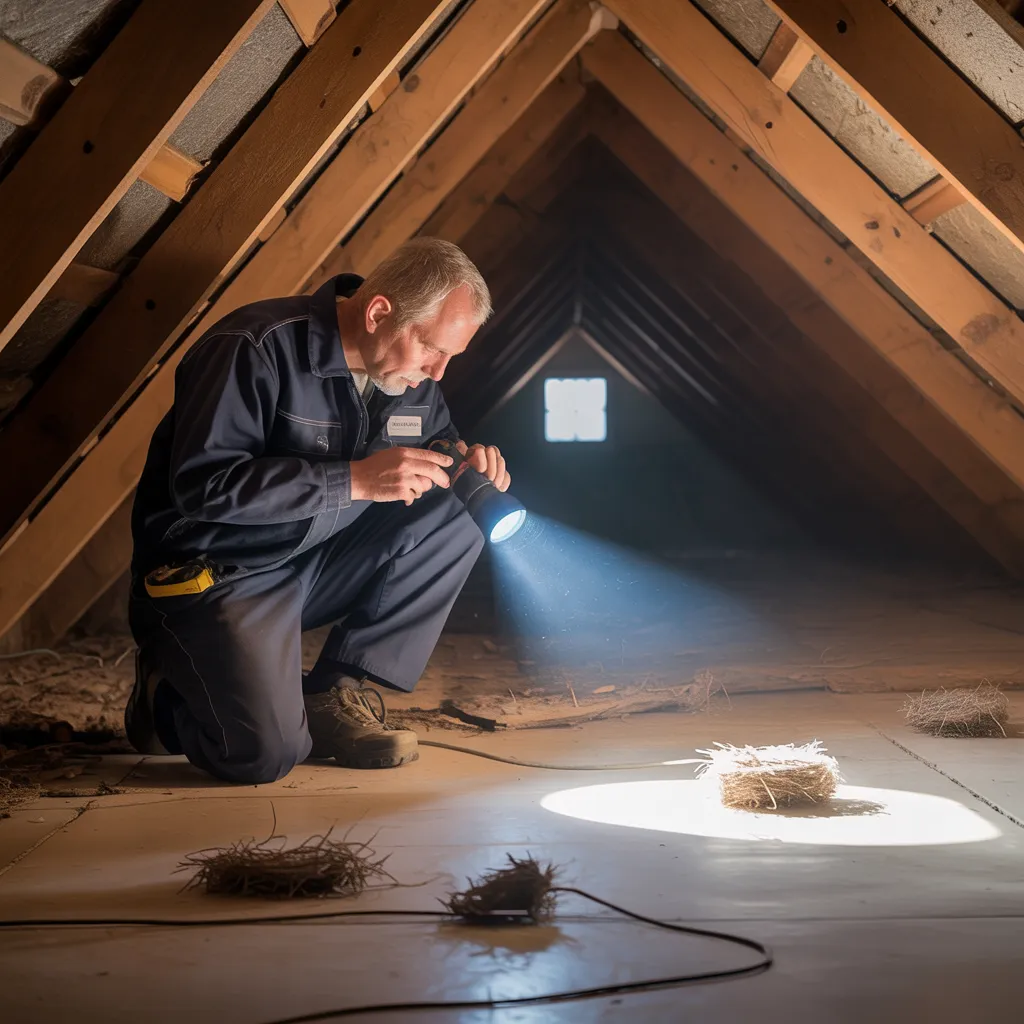
Identifying Indicators of Wildlife Infestation
How can one tell if their home is under siege by wildlife? Indicators of animal intrusion may be inconspicuous but important. Finding feces, bite marks, or damaged electrical wiring frequently suggests that creatures have taken up residence. Unusual sounds, such as scratching or scurrying, especially at night, may suggest that critters are active within walls or attics. Moreover, property owners could spot dens or holes adjacent to entryways, acting as definite evidence of creature dwelling. Unexplained damage to property, like torn insulation or holes in walls, further supports the suspicion of an infestation. Foul odors, stemming from decaying animals or waste, create an unpleasant environment and signal another warning sign. Detecting these signals immediately is important for resolving the matter appropriately. By recognizing these signs, residents can take appropriate action to protect their homes from unwanted wildlife intrusions.
Comprehending the Risks of Ignoring Wildlife Challenges
Disregarding wildlife concerns can cause significant consequences for homeowners. The presence of animals like raccoons, squirrels, or bats within a property can cause structural damage, as these creatures often gnaw on wiring, insulation, and wood. This not only compromises the integrity of the home but also creates potential fire hazards. In addition, wildlife can carry diseases that can be passed to humans and pets, raising health risks dramatically.
Moreover, the longer an infestation is permitted to continue, the more complex and pricey it becomes to resolve. Homeowners discover the information may ultimately face pricey repairs, property devaluation, and elevated pest control measures. Beyond financial implications, there is also the emotional strain of living with the persistent stress of a wildlife problem. As a result, acknowledging and tackling wildlife matters promptly is vital to preserving a safe and healthy living environment.
Advantages of Skilled Wildlife Removal Assistance
Expert wildlife removal services provide numerous important benefits for property owners experiencing wildlife issues. These experts use specialized knowledge and approaches to deliver safe and humane practices while handling animal intrusions. Additionally, they implement enduring prevention strategies that assist in prevent future wildlife concerns.
Expert Proficiency And Strategies
Efficient wildlife removal copyrights on a deep understanding of animal behavior and local ecosystems. Professional wildlife removal professionals are equipped with extensive knowledge about the species they encounter, including their habits, nesting patterns, and seasonal behaviors. This expertise allows them to identify potential entry points and assess the scope of infestations more accurately than the average individual. Additionally, these professionals use advanced techniques and tools designed specifically for safe and effective removal, providing minimal disruption to the environment. Their familiarity with local laws and regulations also guarantees compliance, reducing the risk of legal issues. Overall, the combination of expert knowledge and specialized techniques significantly enhances the efficiency and success rate of wildlife removal efforts, protecting both properties and wildlife.
Safe and Compassionate Techniques
Several homeowners might not understand the substantial benefits of employing safe and humane practices in wildlife removal. Professional wildlife removal services focus on the welfare of animals while successfully addressing infestations. These experts use methods that minimize harm, ensuring that wildlife is captured and relocated rather than exterminated. Such practices not only follow local regulations but also encourage a sense of ethical responsibility within the community. By choosing humane removal, homeowners aid in the conservation of local ecosystems and promote a balanced coexistence with wildlife. Moreover, humane practices often lead to less stress for both the animals and the homeowners, resulting in a smoother resolution of wildlife issues. In the end, engaging professionals who utilize safe and humane methods elevates the overall removal experience.
Long-Range Prevention Strategies
While tackling immediate wildlife problems is critical, putting into place long-term prevention strategies is necessary for sustaining a pest-free environment. Professional wildlife removal services not only address current infestations but also utilize techniques to prevent future occurrences. These experts assess properties for vulnerabilities, such as gaps in roofing, cracks in foundations, and access points that may draw wildlife. They advise on habitat modification, such as removing food sources and nesting materials. Additionally, professionals can install barriers and traps that effectively keep wildlife from re-entering. By investing in these preventive measures, homeowners can significantly reduce the likelihood of recurring wildlife problems, guaranteeing a safer and more comfortable living space for both residents and their surroundings.
What You Can Anticipate during the Wildlife Removal Process
When a resident encounters unwanted wildlife in their home, understanding what to expect in the wildlife removal process can help minimize stress and streamline the experience. Initially, a professional wildlife removal service will conduct a thorough inspection of the property to pinpoint the type of animal and the extent of the problem. They will evaluate entry points and signs of activity.
Following this, the removal team will develop a customized plan, which may consist of humane trapping or exclusion strategies. Homeowners can expect clear communication regarding the steps involved and any required preparations.
When the wildlife is properly extracted, the professionals will typically provide recommendations for protecting the property to stop future infestations. This may include blocking entry points or eliminating attractants. The process usually finishes with a follow-up visit to verify the area remains wildlife-free, giving peace of mind to the homeowner.
Advice for Picking the Right Wildlife Removal Experts
How do homeowners make certain they select the most qualified wildlife removal technicians? Initially, they should focus on companies with appropriate licensing and insurance, ensuring compliance with local regulations. Client feedback and testimonials from previous clients can supply valuable insights into the company's reputation and effectiveness. Additionally, homeowners should inquire about the removal methods used; humane techniques are recommended and often required by law.
Experience represents another vital element; professionals knowledgeable about local wildlife are better positioned to identify and handle specific challenges successfully. Property owners must also request information about follow-up services to avoid subsequent infestations, as a comprehensive strategy is vital. Lastly, obtaining multiple quotes allows for comparison of services and pricing, enabling informed decisions. By adhering to these recommendations, homeowners can assuredly select wildlife removal experts who are both capable and reliable.
Frequent Wildlife Problems for Homeowners
What typical wildlife problems do property owners encounter? Many encounter problems with raccoons, squirrels, and bats, which commonly search for shelter in attics or basements. Raccoons are recognized for scavenging in garbage and producing building damage while nesting. Squirrels, in contrast, can bite through electrical wires, producing fire hazards and costly repairs. In addition, bats can enter homes through minor cracks, creating health hazards due to potential rabies transmission and guano accumulation.
Another common problem concerns rodents, such as mice and rats, which can enter properties in search of sustenance and shelter. Their presence not only leads to unsanitary conditions but also increases the risk of diseases. Finally, deer can create substantial harm to landscaping and gardens. Each of these wildlife-related challenges necessitates prompt attention to avoid additional problems and guarantee a safe living environment.
Proven Proactive Methods To Stop Wildlife Intrusion
Preventing wildlife intrusion demands preventative measures that address vulnerabilities throughout a home. Homeowners should first examine their property for likely entry points, such as gaps in the foundation, chimneys, or vents. Sealing these openings with appropriate materials can substantially reduce the risk of animals entering.
Additionally, preserving a clean yard by getting rid of food sources is vital. This includes protecting trash cans, compost bins, and pet food. Excessive vegetation and debris should also be cleaned up, as they can provide shelter for wildlife.
Fence installation can discourage larger animals, while mesh or screens offer protection for gardens against smaller pests. Home dwellers should also evaluate using motion-activated lights or noise-making devices to prevent unwanted visitors. Periodic inspections and property care will help verify that these preventative measures maintain their effectiveness over time, ultimately defending the home from wildlife intrusion.
Popular Questions
What Do Professional Wildlife Removal Services Typically Cost?
Expert wildlife removal services typically cost between $200 to $600, determined by factors such as location, type of wildlife, and nature of the situation. Additional charges may apply for follow-up visits or prevention measures.
Is 24/7 Wildlife Removal Service Available?
Numerous wildlife removal experts deliver 24/7 support to tackle pressing situations. Their 24/7 service confirms that property owners can obtain immediate assistance, specifically during emergencies concerning potentially harmful or disruptive wildlife invasions.
Can Wildlife Removal Injure the Animals That Are Involved?
Wildlife removal approaches vary, but most seek to minimize harm to animals. Ethical methods emphasize humane techniques, facilitating safe relocation without injury, though some situations may unintentionally result in harm according to circumstances and methods employed.
Do I Need a Permit for Wildlife Removal?
Across many jurisdictions, permits are required for wildlife removal to maintain compliance with local laws and regulations. People should consult with their local wildlife authority to establish specific requirements and sidestep legal problems.
How Long Does the Wildlife Removal Process Usually Take?
The wildlife removal process typically takes between several hours and a few days, based on the animal species in question, the complexity of the situation, and the methods used for extraction and exclusion from your property.